


Alright, let’s be honest: taking your cat to the vet can be a stressful (and quite complicated) experience for both of you. Many cats experience high anxiety in an unfamiliar environment surrounded by other animals. However, preparing your cat for this visit is essential to ensure their well-being and make the process easier. At Ownat, we provide practical advice to transform this adventure into something much simpler and more relaxed. Shall we start?
The Carrier Is Good, But You Need to Get Them Used to It
If we’re talking about veterinary challenges, the carrier is one of the biggest. What happens? Well, if you only use it occasionally (like for vet visits), it’s very likely your cat will see it as an alarm signal. To avoid this, keep the carrier at home, visible, with the door open, and place a cozy blanket inside (so your cat can feel comfortable lying or sitting in it). Another easy tip? Leave some of their favorite toys, or even a snack, inside to associate it with something positive and see it as a safe place.
Get Them Used to Being Touched
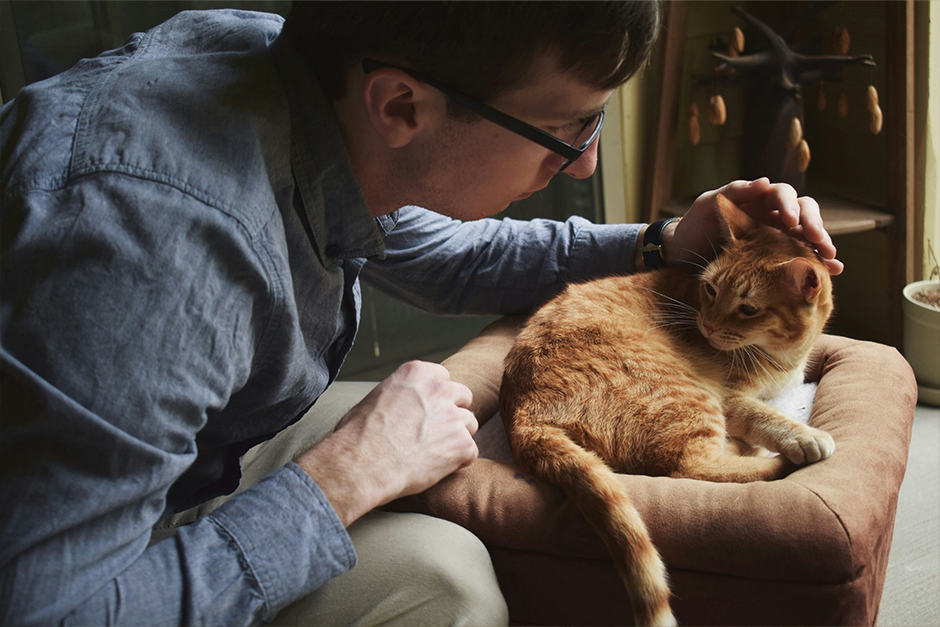
Cats are very sensitive when it comes to being held, touched, and handled, especially in stressful situations. To minimize stress at the vet (or at least make it more manageable), it’s ideal to get your cat used to being gently touched on their paws, ears, belly, and mouth at home. This way, when the vet needs to examine them, they’ll be much more prepared to be handled without getting too anxious.
Stay Calm
Cats are experts at picking up their humans’ emotions, so if you’re nervous, your cat is likely to be nervous too, and might “catch” some of your stress. The key? Try to stay calm before and during the visit, speak softly, and act naturally. Another tip is to play soft music during the trip (if you’re traveling by car, of course).
Schedule Visits During the Calmest Hours
What do we mean? Whenever possible, try to schedule vet visits during quieter hours, when there are fewer animals and less noise at the clinic. It can be a bit challenging to arrange, but simply asking at the clinic can help you identify the least busy hours.
Yes to Rewards
This will make your cat happy! Since the process itself isn’t pleasant, rewards can become your best allies. After the visit, or even during the trip, you can offer them a treat or snack they like. This helps reinforce the experience in a positive way, making your cat feel more calm and secure on future visits (which, hopefully, won’t be too frequent!).
We hope all this helps you and that you put it into practice whenever you need it. Very important! If your cat has very high levels of anxiety, it’s best to inform your trusted vet and explain the situation. They’ll likely recommend some specific alternatives to make the whole process much easier.


