


The Hidden Language of Cats: How to Decode Their Emotions Through Their Tail
-
The Cat's Tail: A Universe of Expressions
A cat’s tail is much more than just an extension of its body: it’s a communication tool full of meaning. Thanks to its complex anatomy, including flexible vertebrae and powerful muscles, cats can express emotions with subtle and precise movements. Additionally, the close connection between their nervous system and tail makes it a direct reflection of their emotional state. When a cat feels relaxed, curious, or alert, its tail becomes a window into its mind. Understanding this language, as intricate as it is fascinating, not only helps us interpret what our cat feels but also strengthens the bond we share with them.
-
Types of Tail Movements and Their Meaning
A cat's tail movement can tell you more than it seems. A gentle swish from side to side typically reflects curiosity, like when it's exploring a new object or environment. On the other hand, quick flicks are a clear sign of irritation or discomfort, a way of telling you to stop or keep your distance. Maybe excessive petting or a bothersome noise triggered this reaction. Conversely, a vibrating tail, trembling slightly, is unmistakable evidence of happiness, especially when your cat welcomes you after being away. Each of these movements serves a purpose, and it's essential to understand them to strengthen your connection with your pet. In fact, if you observe carefully, you’ll see that the tail acts as an emotional thermometer, showing how the cat interacts with its surroundings at any given moment.
-
Key Tail Positions in Feline Language
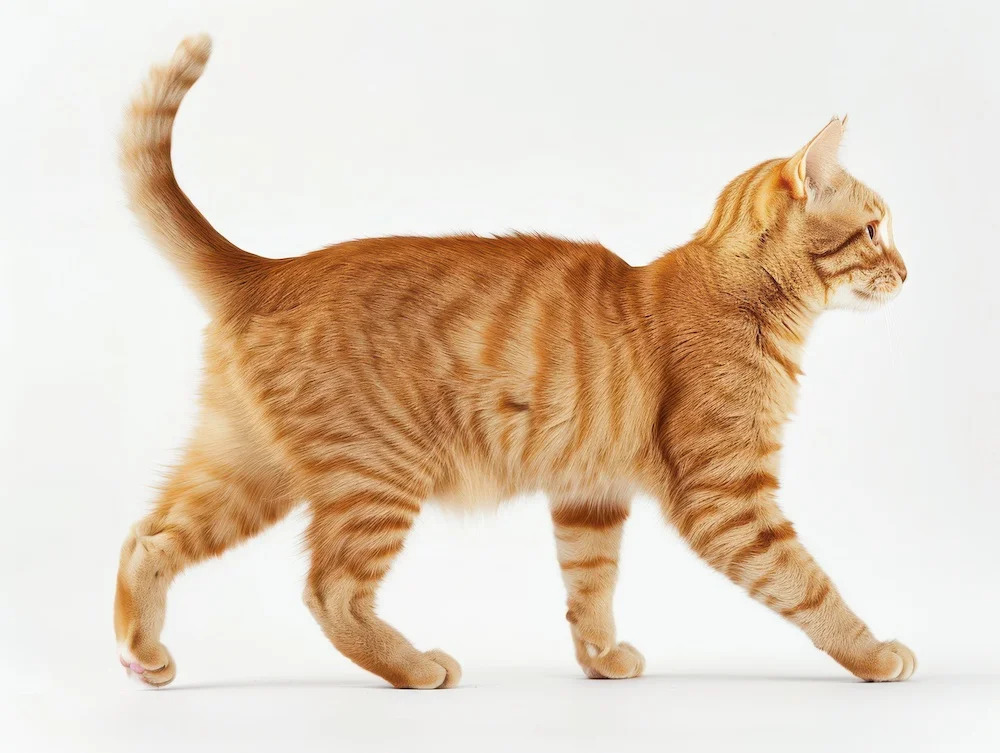
The position of the tail also speaks volumes about a cat's emotional state. A high, relaxed tail reflects confidence and joy, indicating that the cat feels safe and comfortable in its environment. This is especially evident when the cat is walking around the house, appearing carefree and in charge of its territory. In contrast, a low tail or one tucked between the legs indicates fear or insecurity, something common in unfamiliar or stressful situations, such as a trip to the vet or encountering another animal. Finally, an erect tail, resembling a bottle brush, is a clear sign of high alert or aggression. This posture is usually accompanied by other defensive gestures, such as arching the back and ears pointing backward. It’s important to learn to recognize these signals to avoid misunderstandings and potential conflicts. By understanding these positions, we can respond appropriately and create a safer environment for our feline companion.
-
Beyond the Tail: Additional Key Signs in Body Language
While the tail is a key element, it shouldn’t be interpreted in isolation. Cats' body language includes other indicators, such as ear position, pupil dilation, and the tones of their meows. For example, a cat swishing its tail while growling is probably more irritated than curious. It’s also important to note that every cat is unique and may express its emotions in different ways, depending on its temperament and past experiences. Some cats are more subtle, while others are very expressive. The key is to observe the combination of signals and adapt to your cat’s personality, as this will enrich your relationship and help you understand it more deeply.
-
Practical Tips for Understanding and Responding to Your Cat's Language
Understanding your cat’s tail language requires conscious observation and patience. Take time to notice how its tail reacts to different stimuli and learn to identify patterns in its behavior. If the tail reflects happiness, reinforce that state with petting or soft words. On the other hand, if you notice irritation or fear, respect their space and remove the stimulus causing stress. It’s also crucial to pay attention to concerning signs, such as a tail held low for extended periods, as this may indicate a health issue. Keeping notes on your cat’s usual behavior can help identify changes that signal physical or emotional discomfort. By interpreting these signals correctly, you’ll strengthen the bond with your cat and improve its well-being.
-
Final Thought: The Magic of Understanding Your Feline Companion
Cats have a fascinating body language that, once understood, can transform the relationship you have with them. The tail is a central piece of this language, capable of conveying complex emotions silently but effectively. Observing it and learning to interpret its movements and positions will allow you to connect with your cat on a deeper level, offering the empathy and respect it deserves. Every movement of its tail is an opportunity to understand it better!


