


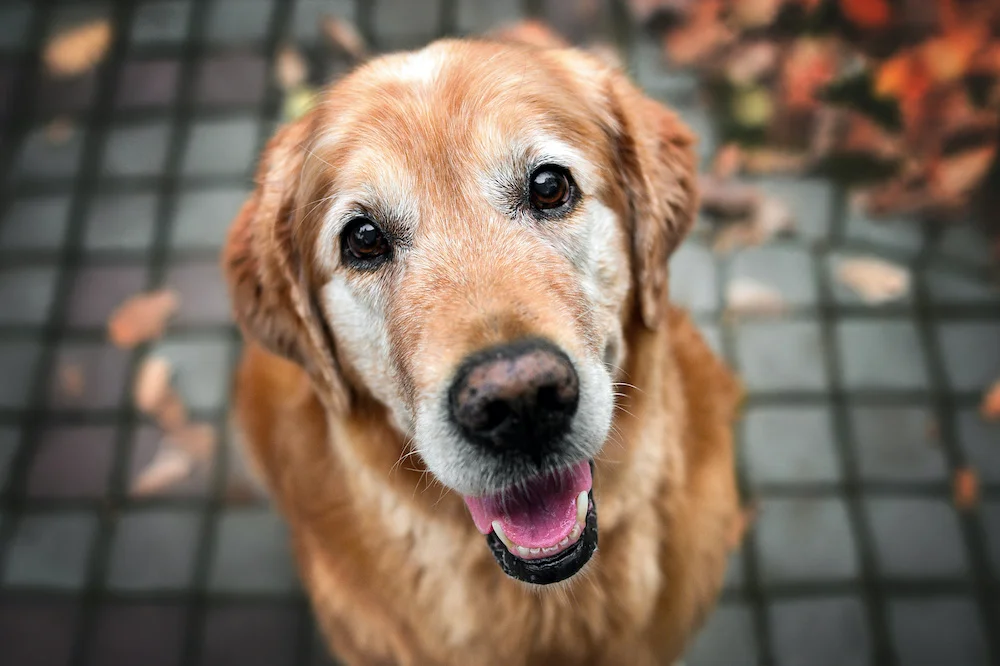
Time flies, and before we know it, that energetic puppy who used to run all around the house has turned into a companion with gray paws and a calm gaze. Senior dogs have specific needs that cannot be overlooked. From an adapted diet to safe exercise routines, including home adjustments, every little detail counts to ensure a dignified and smooth life.
If you want to know how to improve the quality of life of your senior dog, keep reading and discover the basic care for an elderly dog to ensure they enjoy their old age with health and happiness.
Understanding Canine Aging: More Than Just Age
Every dog ages at its own pace, but in general, small breeds are considered elderly from around ten years old, while large breeds may show signs of aging between six and eight years. This process not only affects their physical condition but also their behavior and metabolism. You’ll notice a decrease in their energy levels, they may sleep more, and they might be more reluctant to engage in activities they once enjoyed.
Some changes are more evident than others. Their coat might lose its shine, their muscles may become less firm, or their metabolism might slow down, which could lead to weight gain if their diet isn’t adjusted. Emotionally, some senior dogs may become more anxious, less tolerant of changes, or even suffer from some disorientation.
It’s essential to observe their condition daily. If you notice changes in their appetite, activity, or behavior, it’s advisable to take them to the vet for early detection of any problems.
Specialized Nutrition: The Foundation of Healthy Aging
Nutrition plays a key role in the well-being of an elderly dog. As they age, their nutritional needs change. Their metabolism slows down, and in many cases, their digestion becomes more sensitive. To avoid problems like overweight, it's crucial to provide them with a balanced diet that has fewer calories but includes all the essential nutrients to ensure their health.
Good food should contain quality protein to maintain muscle mass without overloading the kidneys.
Ownat GF Prime Senior is an excellent option for older dogs. It provides a high content of quality proteins and is low in fat, to limit calorie intake and avoid overweight, but without compromising the adequate maintenance of muscle mass. Its grain-free formulation includes natural ingredients and fresh meats; chondroprotectors to help maintain the joints in optimal condition; and fish oil and flax seeds, as sources of omega-3 fatty acids, which contribute to controlling inflammation and promoting good skin and coat health.
Adapted Exercise: Keeping Movement Without Compromising Health
An elderly dog should not become sedentary, but it also shouldn't be subjected to excessive effort. Keeping them active is essential to avoid overweight and maintain mobility, but always with activities suited to their age and physical condition.
Walks should be shorter and more frequent, preferably on flat surfaces to avoid straining their joints.
Emotional Well-Being: The Importance of a Stable Routine
The emotional well-being of an elderly dog is as important as their physical health. With age, they may become more sensitive to changes and need more stability in their daily lives. Maintaining fixed schedules for meals, walks, and rest provides them with tranquility and security.
Home Adjustments: Creating a Safe and Comfortable Environment
As dogs age, their mobility may decrease, making some adjustments in the home necessary. An orthopedic mattress will provide them with more comfortable rest and relieve pressure on their joints. Slippery surfaces can be a problem, so placing non-slip rugs or mats will help prevent falls.
Veterinary Checkups and Prevention: Keys to a Trouble-Free Old Age
Veterinary visits should become more frequent at this stage. Regular checkups allow for early detection and treatment of any chronic disease or joint problems. In addition to general checkups, it is recommended to conduct blood tests to monitor liver and kidney function, as these organs can become more vulnerable with age. It's also essential to maintain a check on your dog's dental health, as gum infections can lead to more severe issues if not treated promptly.
Prevention is key to maintaining a good quality of life. Vaccinations should continue to be administered according to veterinary recommendations, and both internal and external deworming should not be neglected. Observing any changes in their skin, appetite, or energy levels can be crucial for taking action before a health issue progresses.
Living with an Elderly Dog, a Stage of Love and Conscious Care
Every day with an elderly dog is a gift. With small changes in their routine, veterinary care, and an adapted diet, you can help them enjoy a comfortable and happy life. And if you're looking for the best nutrition for this stage, GF Prime Senior is an excellent choice. An elderly dog isn’t a sick dog, they just need more care and lots of love. Give them back everything they've given you over the years!


