


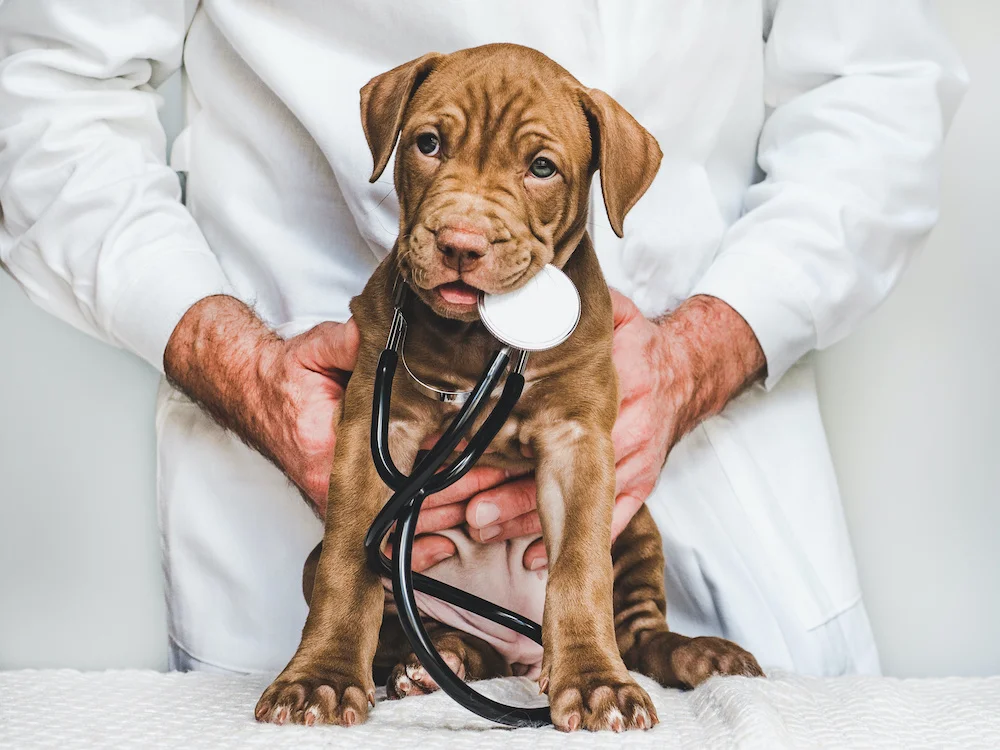
For many dogs, a visit to the vet is synonymous with nervousness, trembling, and even complete rejection. It’s not uncommon to see a dog desperately cling to its owner or refuse to cross the clinic door. Between strange smells, the sounds of medical instruments, and handling by strangers, the experience can be overwhelming. However, there are ways to make this process more manageable. With proper preparation, you can make the visit a routine and stress-free experience for your pet. From desensitization to positive reinforcement, there are effective strategies to ensure your dog’s next veterinary visit is much calmer.
Desensitization Techniques: Getting Your Dog Used to the Visit
One of the first steps in reducing anxiety is progressive desensitization. It is essential for your dog to get used to having its paws, ears, and mouth touched, as these are the areas the vet will usually examine. You can do this gradually at home with gentle touches and manipulations, always rewarding their calmness. Additionally, it’s recommended to take them to the clinic without an actual consultation, just to get them familiar with the environment. Simply being in the waiting room, smelling the place’s scents, and hearing the usual sounds will help reduce the fear of the unknown.
To reinforce this adaptation, you can recreate the veterinary environment at home. Try handling your dog as a vet would, touching its paws, mouth, and ears while offering rewards. You can also play sounds from a clinic, such as doors opening, barking dogs, and unknown voices, to get them used to it gradually.
Reinforcing Positive Association: Rewards and Motivation
Positive reinforcement is a powerful tool to make your dog associate the visit with something pleasant. Use high-value treats that they only receive in medical situations, so they associate the visit with a positive experience. Avoid feeding them right before the visit to keep them motivated for treats. You can also play with them before leaving the house to release accumulated energy and reduce anxiety. After the consultation, rewarding them with a play session or walk will reinforce the idea that the visit isn’t a negative experience.
Another important aspect is the attitude of the vet. If possible, look for a clinic that uses positive reinforcement and animal-friendly techniques. Some professionals allow owners to be present during the consultation, which can help your dog feel more secure.
Specific Preparation for Common Procedures
If your dog is particularly sensitive, you can prepare them in advance for certain common procedures. Teach them to tolerate small pinches to simulate the feeling of an injection, and reinforce them positively when they remain calm. You can also introduce routines like teeth brushing or ear cleaning at home to get them used to the handling they’ll experience at the clinic.
If car trips are a source of stress, take short, pleasant trips in the days leading up to the visit, using a blanket with their scent or calming pheromones to make the journey more pleasant. For dogs not used to a carrier, introduce it gradually. Leave it open in the house and place their favorite toys and blankets inside, so they associate it with a safe place.
The Role of the Owner During the Veterinary Visit
Your attitude also plays a crucial role. Dogs can sense their owners’ nervousness, so it’s important to show confidence and calmness. Avoid tightening the leash and use a calm, slow voice. If your dog perceives you as relaxed, it will be easier for them to remain calm.
Communicating with the vet is also key: inform them about your dog’s specific fears and ask them to use a positive reinforcement-based approach. Some clinics allow dogs to enter the consultation with their favorite toys or a blanket with their scent to make them feel more comfortable.
If you notice your dog is too anxious, avoid forcing them to enter the consultation immediately. Instead, try giving them a few minutes to explore the environment, rewarding them whenever they remain calm.
Alternatives for Extreme Anxiety
In extreme cases, where the anxiety is too high, there are alternatives. Some dogs respond well to home consultations, avoiding the stressful stimuli of travel and the waiting room. Other options include the use of synthetic pheromones or natural supplements, always under veterinary supervision. If the fear is intense and affects their well-being, a canine ethologist can help address the issue professionally.
In situations where the stress is extreme and the consultation is inevitable, the vet may recommend using mild sedatives. It’s important to discuss this option with a professional and use it only when absolutely necessary.
An Adaptation Process That Improves Quality of Life
Preparing your dog for a veterinary visit not only improves the consultation experience but also strengthens your relationship and their emotional well-being. With patience, consistency, and plenty of positive reinforcement, each visit can become a routine instead of a traumatic episode.
Small actions like familiarizing them with the environment, using rewards, and maintaining a calm attitude can make all the difference. A dog that trusts its owner and associates the consultation with something positive will be easier to handle on future visits. Your dog will thank you with fewer tremors, more confidence, and better long-term health.


