


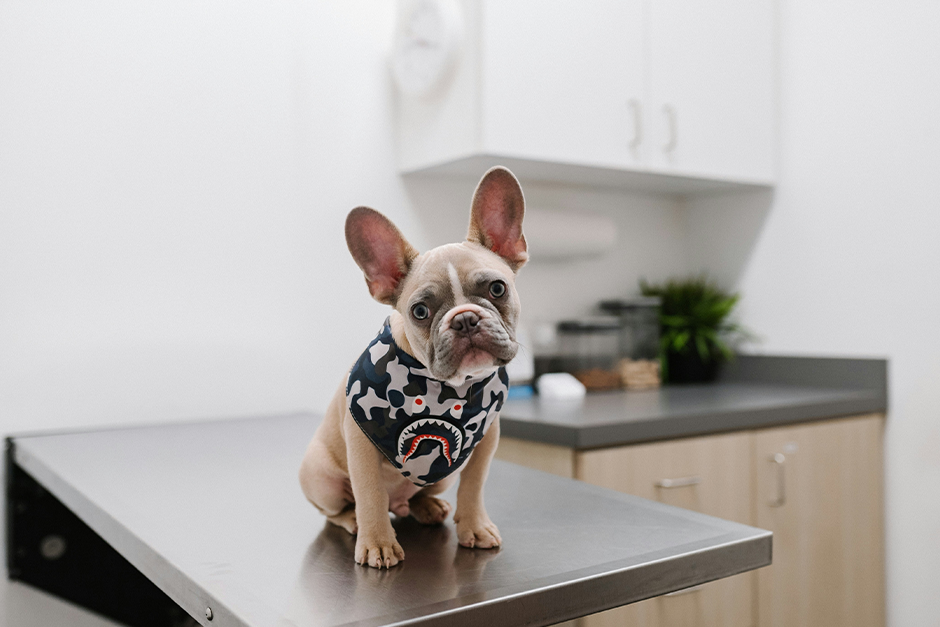
Alright, let’s be honest: taking your dog to the vet can be a bit challenging for both of you. Many pets feel great anxiety in an unfamiliar environment surrounded by other animals. However, preparing your dog for this visit is essential to ensure their well-being and ease the process. At Ownat, we provide practical tips to turn this adventure into something much simpler and more relaxed. Discover everything in our latest article!
The carrier or the car is helpful, but they need to get used to it
If your pet isn’t used to riding in a car or being in a carrier, they’re likely to get nervous from the start—sound familiar? To avoid this, try to make the trip to the clinic as calm and relaxed as possible. If you plan to take the car, try doing short trips every so often, so they don’t associate the car only with vet visits. And what if you’re using a carrier? Keep it visible at home so they can get familiar with it and see it as a safe place; put a blanket inside and maybe a toy or two to make it feel like “home.”
Try some at-home check-ups
To reduce stress at the clinic, get your four-legged friend used to being handled at home. How to do it? Simple: practice gently touching their paws, ears, and regularly check their mouth and abdomen. This will make the vet exam feel less intimidating and help them be more cooperative; plus, it’ll feel a lot more familiar! So, when the vet needs to examine them, they’ll be more prepared to be handled without getting too nervous.
Stay calm
Pets pick up on their humans’ emotions, so if you get nervous, your dog likely will too, and they may “catch” your stress. The key? Try to stay calm before and during the visit, speaking softly and acting naturally. Speaking sweetly and acting naturally can work wonders to calm them down, we assure you!
Schedule visits during quieter times
What do we mean? Whenever possible, try to schedule visits at times when the clinic is less crowded, with fewer animals and less noise. It can sometimes be hard to arrange or know, but by simply asking at the clinic, they can let you know the quieter times.
Use rewards
Your pet will love this—take note! Since the process isn’t pleasant on its own, rewards can become your best allies. At the end of the visit or even during the journey, you can offer them a treat they enjoy. This will help reinforce the experience positively, making your dog feel calmer and safer for future visits. Hopefully, there won’t be too many of those!
We hope all of this has been helpful and that you use it whenever you need it. Very important! If your dog has high anxiety levels, ideally inform your trusted vet and explain the situation. We’re sure they’ll recommend specific alternatives to make the process much easier.


