


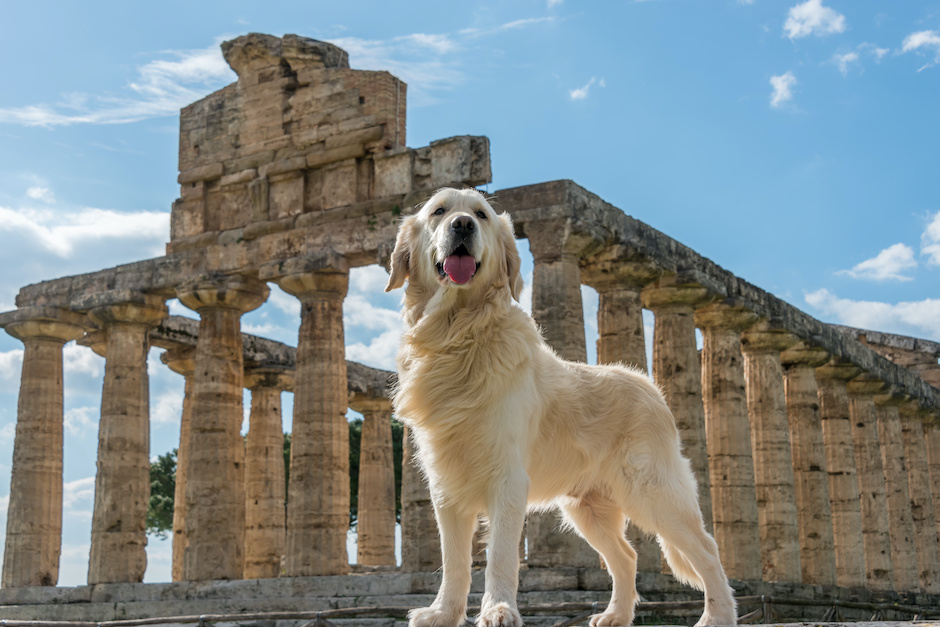
The Eternal Bond Between Humans and Dogs
Since the dawn of humanity, dogs and humans have shared a bond that goes beyond mere utility. It was not just about survival; it was a symbiotic relationship that transcended time. The first nomadic hunters found in dogs a helpful partner for hunting, but over the centuries, this alliance transformed into something deeper. Today, that loyalty remains, and it’s worth asking: Why do dogs hold such a special place in our history and culture?
Throughout history, dogs have been much more than pets. Their loyalty, protection, and symbolism have left marks on various cultures and eras, creating a path of mutual love and respect.
Ancient Civilizations and Sacred Dogs
-
Egypt: Guardian dogs and protectors in the afterlife
For the ancient Egyptians, dogs had a special meaning, directly associated with death and spiritual protection. Anubis, the god of the dead, was depicted with the head of a jackal, and it was believed that dogs helped guide souls to the afterlife. In the tombs of nobles and pharaohs, representations of dogs as symbols of eternal protection were common. -
China and Japan: Symbols of luck, protection, and loyalty
In Asia, especially in China and Japan, dogs were seen as bearers of good luck and fidelity. During the Han dynasty, Chinese emperors regarded dogs as symbols of fortune. In Japan, komainu, statues of guardian dogs, were placed at temple entrances to ward off evil spirits and protect the faithful. -
Greece and Rome: Legendary heroes and guardians of gods
For the Greeks and Romans, dogs embodied courage and loyalty. The famous three-headed Cerberus guarded the gates of the underworld in Greek mythology, while in Rome, dogs accompanied soldiers in battle and were commemorated with statues and epitaphs. For these cultures, dogs symbolized bravery and sacrifice.
Dogs in the Middle Ages: Beyond hunting and nobility
-
Loyalty and symbolism in medieval nobility: Coat of arms and emblems
In the Middle Ages, dogs had a symbolic value that transcended hunting. Many aristocratic families included representations of dogs in their coats of arms, symbolizing loyalty and protection. Hunting dogs, such as greyhounds, were a symbol of status and nobility. -
Protector and guide during the plague: Crucial roles during times of crisis
During plagues, dogs played a crucial role by offering companionship and protection. Their presence during these difficult times provided security and comfort to their owners, consolidating them as faithful companions during times of adversity.
Modern and contemporary times: From functional to emotional
-
The working dog: Partners in rescue, herding, and defense
Over time, dogs evolved from functional animals to essential collaborators in specific tasks. Breeds like the border collie became indispensable for herding, while German shepherds excelled in rescue and defense. In the modern era, their loyalty and skills made them irreplaceable allies. -
Popular culture and dog representations in art and film
Cinema and popular culture have taken canine symbolism to new heights. Dogs like Lassie and Hachiko represent loyalty and sacrifice, and in modern art, dogs reflect friendship and commitment, solidifying their place in contemporary culture.
Contemporary symbolism: Beyond man’s best friend
-
Dogs in mental health and emotional therapy
Today, dogs play an essential role in emotional therapy. Service dogs provide comfort to people with anxiety and depression, symbolizing support and resilience. These four-legged companions offer a unique connection that goes beyond words. -
Symbolism in social media and the influence of "dogfluencers"
With the advent of social media, "dogfluencers" have captured the world’s digital attention. These dogs show in their posts how canine symbolism continues to evolve, representing joy, humor, and authenticity to millions of followers.
An eternal bond: How dogs continue to shape human culture
The bond between humans and dogs continues to strengthen as years go by. From guardians in ancient Egypt to social media stars, dogs have been by our side as protectors, companions, and symbols of unconditional love. This bond, which started thousands of years ago, still reflects our ability to care and learn to be better, thanks to the constant lesson of loyalty and affection that dogs offer us.


