


We know you adore your furry friend, that you give him his favorite Ownat meal (or so we hope), walk him, pamper him, and even talk to him as if he were a person (yes, we all do it). But there's something we sometimes overlook: your dog also needs other dogs. Yes, yes, even if he's no longer a puppy, even if he's "calm," and even if he loves being by your side on the couch.
Socialization isn't just a phase; it's a lifelong emotional need.
But exactly, why is it so important? Because dogs are social animals by nature, so playing with other dogs, sniffing together, running, chasing, exchanging growls... All of that not only entertains them: it teaches them to communicate, gives them confidence, emotionally regulates them, and reduces stress. Moreover, a furry friend who regularly interacts with other furry friends is usually more relaxed at home, exhibits fewer destructive behaviors, and enjoys his walks more. So here are some tips :)
Shared walks
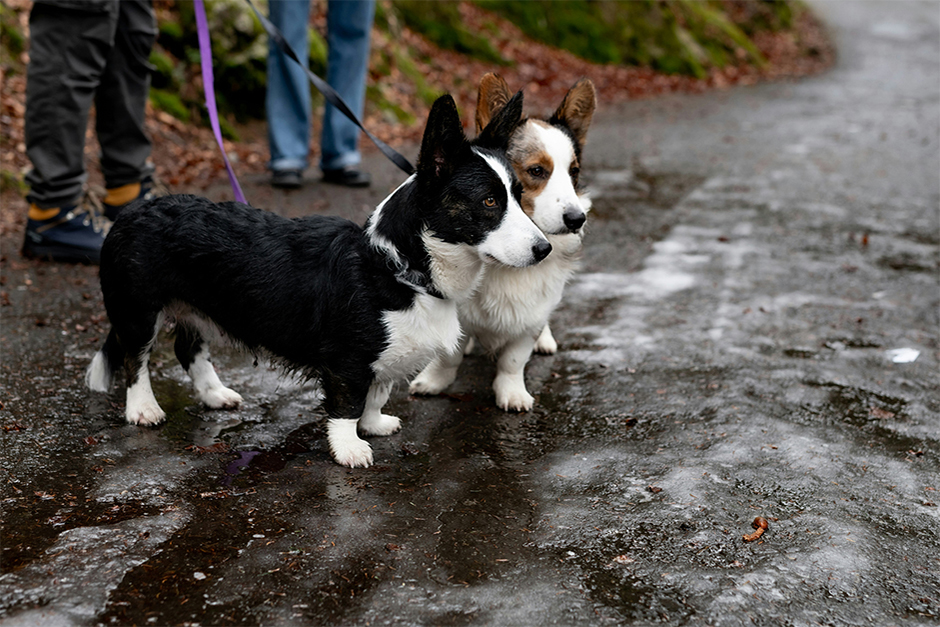
Sometimes the simplest is the most effective, so if you have friends, neighbors, or family members who also have a dog, suggest walking together (at least occasionally). Walking in parallel, without the need for them to play or interact directly, helps dogs get used to each other's presence calmly and without pressure. This type of walk builds trust, reduces tension, and allows them time to read each other, sniff, and accept the other as part of the environment. Shared walks are ideal for dogs that feel insecure if the experience is too intense or invasive.
Dog parks or play areas
If your dog is sociable and one of those who can't see another tail without wagging his own, a dog park will be peeeeerfect! There, he can run, play tag, or simply sniff and follow other dogs. But be careful, as in any yard, it's important that the environment is balanced. Always supervise to ensure there's no overexcitement, that all dogs are playing respectfully, and that your furry friend has the option to leave or rest if needed.
Classes or group activities
Not all dogs make friends "right away," but participating in a shared activity with other dogs, even without direct play, can help build a bond in another way. Try: Agility (helps them gain confidence, coordination, and focus), scent work (super useful for dogs that get overwhelmed by social stimuli but enjoy working their nose), organized hikes (group walks in nature with breaks, where each dog can go at his own pace), or group intelligence games (promotes observation of others, imitation, and calmness).
Making friends isn't an obligation; it's an opportunity, and just like with humans, each dog experiences it in their own way. Your role is to accompany them, observe them, and create environments where they feel safe and free to explore the canine social world at their own pace.


