


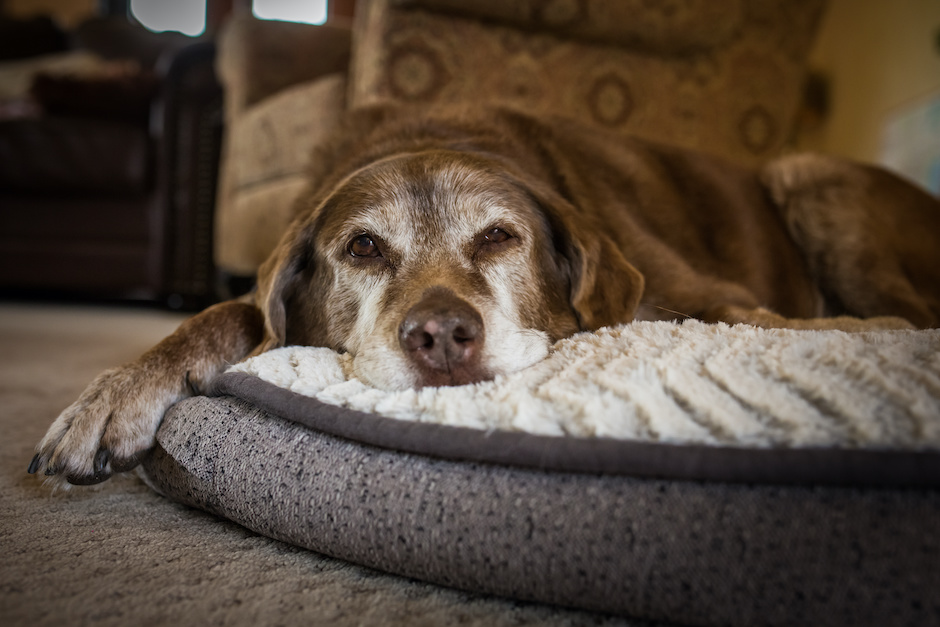
Why Do Senior Dogs Develop Joint Problems?
As dogs age, just like people, they experience wear and tear on their joints. This wear and tear can be due to the constant friction between moving bones, which causes a weakening of the cartilage that lines the joints and cushions impacts. In addition, weight plays an important role, as their joints are designed to bear a specific load; when this load increases and is not controlled through a proper diet, the risks of wear and tear increase. Over time, collagen production and synovial fluid, which lubricates the joints, decrease, factors that are essential to prevent stiffness and pain.
This problem is aggravated in dogs who have led very active lives, who have been exposed to frequent jumps or high-impact activities. However, genetics also plays a role: certain breeds or dogs with genetic predisposition can suffer from hip dysplasia or arthritis in the elbows and knees at an early age, which worsen over time if not properly cared for.
How Can Proper Nutrition Help Dogs with Delicate Joints?
Proper nutrition is one of the best ways to prevent and treat joint deterioration in senior dogs. A diet rich in high-quality proteins and low in fat helps maintain an appropriate weight, avoiding overloading the joints. Additionally, the intake of specific nutrients can be very helpful: omega-3 fatty acids help with the inflammatory response, and glucosamine, chondroitin sulfate, and hydrolyzed collagen contribute to slowing joint wear and maintaining joint mobility and functionality. For all these reasons, it is important to choose foods specifically designed for dogs with joint problems, as these offer formulas tailored to their needs.
Recommended Options for Senior Dogs with Delicate Joints
Several dog food options are available for senior dogs with delicate joints. Here are two of the best alternatives:
-
Grain-Free: Natural Food for Senior Dogs
The Ownat Grain Free Prime Senior food is an excellent choice for dogs from 7-8 years old. Its formula is free of cereals and includes 50% fresh chicken and turkey meat, which provides high biological value proteins and exceptional taste.
Its high protein content, along with its limited fat content, helps maintain muscle mass and prevents overweight, thus reducing joint overload. The addition of flaxseeds and fish oil in the recipe provides omega-3 fatty acids, which help with the inflammatory response and support healthy skin and a shiny coat. It also includes extra chondroprotectors (chondroitin sulfate and glucosamine) to slow joint wear and help maintain joint functionality. For a senior dog with delicate joints, this option provides balanced nutrition tailored to their needs. -
Ownat Care Mobility: Comprehensive Care for Joints
Another excellent option is Ownat Care Mobility, a complete and balanced food developed especially for dogs with joint problems. Ownat Care Mobility is formulated to meet the needs of both growing puppies and adult and senior dogs, making it an ideal option for those looking for food that cares for joints at all stages of life.
This food contains functional ingredients like glucosamine, chondroitin sulfate, and hydrolyzed collagen, which are essential for slowing joint wear and maintaining cartilage in good condition, helping to preserve joint functionality and mobility. Additionally, it includes ingredients with antioxidant properties, such as krill and salmon (rich in omega-3 fatty acids), fresh apple, and blueberries, which help with the inflammatory response and support the immune system, which can be delicate in senior dogs.
Additional Tips to Care for Your Senior Dog’s Joints
In addition to providing proper nutrition, some additional habits and care can make a big difference in your senior dog’s quality of life:
-
Weight control: Keeping your dog at a healthy weight is essential to avoid excess load on the joints.
-
Moderate exercise: Daily walks and low-impact exercises, like walking on soft surfaces or in water, help maintain mobility without overloading the joints.
-
Supplements: In some cases, your vet may recommend specific supplements to complement the diet.
-
Regular vet check-ups: Visits to the vet allow for early detection and treatment of joint problems, preventing them from worsening over the years.
Caring for your senior dog’s joints is crucial for ensuring they enjoy a comfortable, pain-free life. Remember, a well-fed and well-cared-for dog can continue accompanying you in many special moments, enjoying an active and fulfilling life.


